Level 2 EV Charger Installation in Nobleton
Match a Level 2 charger to your Nobleton panel and your car's onboard limit and it banks roughly 30 to 50 km of range an hour, refilling the battery while the property sleeps. For a village commuter or a household out on a country lot, it quietly takes home charging off your list of things to think about.
Published
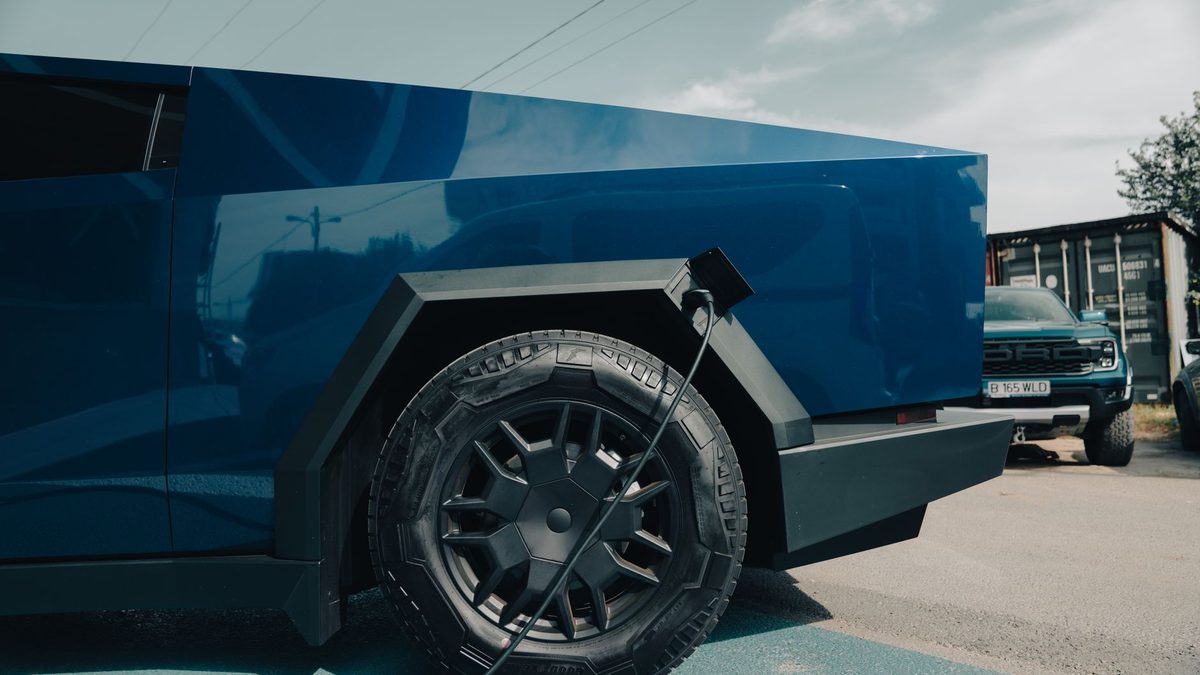
For Nobleton homeowners, Level 2 is the charging setup that actually fits rural and small-village life. Nobleton EV Charger Pros installs these across the village and the surrounding King Township lots, and the case is simple: a dedicated 240-volt circuit replaces the slow wall plug and tops the battery up every night while the car is parked. On a property where the nearest public charger is a drive away, charging reliably at home matters more here than it does downtown. This guide covers the speed, the home considerations specific to Nobleton, and what a tidy install looks like.
The cable run shapes the job
The unit can wait; the path it feeds from comes first. In the village core, an attached garage with the panel a few feet off the parking spot makes for a quick, clean install with little cable to pull. Step out to a country lot and the picture flips: the panel is buried somewhere in the house, the car sits at a detached garage or a shop set well back from the concession road, and the feed has a real distance to cover, part of it underground across open yard. So we map that route before anything else, conduit on the exposed stretches and a properly deep trench where it cuts across the grass, because on a Nobleton property the run is what you live with daily and what ultimately sets how long the job takes.
Why Level 2 beats the wall plug here
Put the two side by side. The cord packed with the car draws from an ordinary outlet and recovers only about 6 to 8 km of range an hour, which never keeps up with a Nobleton commute down Highway 27 or out toward Vaughan. A dedicated 240-volt Level 2 circuit returns roughly 30 to 50 km in that same hour, so a single overnight session covers a full day of rural driving with room to spare. For a household that drives the longer distances a village location demands, that gap is the whole point.
Rural panels and service capacity
The question we field most in Nobleton is whether the panel can take a charger. Many can. The wrinkle on a country lot is the baseline load: a well pump, a septic pump, sometimes electric heat and a workshop full of tools all draw on the same service before the charger is added. A load calculation measures that real demand against your panel size. Where the headroom is tight, a panel upgrade or a smart charger with load management keeps everything within safe limits.
Detached garages and shops
Detached buildings are common out here, and they change the install. Where the car lives in a separate garage or a shop, we run a feed to that building, often with a subpanel, and mount the charger inside. The run is longer, so we size the wire for the distance to manage voltage drop. It is more involved than a short attached-garage job, but done once and properly it is just as reliable.
Sizing the charger to your EV
Here the number that governs everything is not the charger but the car. A wall unit will push as hard as roughly 48 amps, yet your vehicle's onboard charger sets the true cap, and across most EVs that figure lands somewhere from 32 to 48 amps. So on a Nobleton job we work backwards from your car: the breaker and the unit are picked to feed exactly what it can swallow, no more, with a small margin held back for whatever you park out here next. If you drive a Tesla, our Tesla Wall Connector page covers that setup, and our Tesla charger guide goes deeper.
Hard-wired or plug-in
The charging speed is identical either way, so the choice is really about the building it lives in. Bolting the unit straight into the wall gives the cleanest look and, on certain chargers, unlocks a higher amperage, which is the right call for a fixed spot in a village garage or a country shop you are not moving out of. The other route runs the charger off a dedicated NEMA 14-50 outlet, so it unplugs and travels with you if you ever do. We weigh your charger and how you actually use that building, then point you one way or the other.
Charging overnight on Hydro One
The running cost is where this quietly pays off. Out here the meter belongs to Hydro One, which puts most rural Nobleton households on either time-of-use or tiered billing, and on both the small-hours window is the gentlest rate you will see all day. Program a Level 2 charger to wake up once off-peak starts and the battery fills at that floor price while the house is dark, which sits naturally alongside the run-the-dryer-after-bedtime habits country households already keep. For the exact numbers, read them off your latest Hydro One statement, since the Ontario Energy Board sets these rates provincially and adjusts them on its own schedule.
One car ahead, while the wall is open
On a country lot a second EV, or a farm truck swapped to electric down the road, is hardly a stretch, so it pays to build for the driveway you expect rather than the one you have. The cheap window is right now, while the wall is open and the trench to the shop is still a trench: run the feed a touch heavier and pick a unit that can share power, and that future circuit costs almost nothing to leave room for. Close the wall or backfill the run first, and the same headroom turns into a fresh dig and a second visit. We name these calls at the assessment so a Nobleton setup that works today still fits the yard in a few years.
What to send before requesting a quote
- Your EV model, so we size the circuit correctly
- A photo of your panel with the door open
- A photo of the parking spot and the proposed charger location
- Whether the garage is attached or a detached building, and the rough distance from the panel
Curious how your overnight setup would actually run? Hand the details to the Nobleton EV Charger Pros team through our free quote form and we will come back with a fixed price and a tidy routing plan, trench included where a detached country building calls for one.
Frequently asked
How fast is a Level 2 charger in Nobleton?+
A Level 2 charger adds roughly 30 to 50 km of range per hour, with where you land in that band set by your car and the breaker size we run. For most Nobleton drivers that means a full battery by morning, even after the longer daily distances a village location and a commute toward Vaughan or Highway 400 add up to.
Can a Level 2 charger reach my detached garage or shop?+
Yes. Detached buildings are common on Nobleton country lots, and we run a feed to the garage or shop, often with a subpanel, then mount the charger inside. The run is longer so we size the wire for the distance, and where it crosses open ground we trench it in conduit at the proper depth.
Will a Level 2 charger work with my rural Nobleton panel?+
Often yes, but it depends on your baseline load. Many country properties run a well pump, a septic pump, and a workshop on the same service, so a load calculation checks whether there is room for the charger circuit. If not, a panel upgrade or a load-managing smart charger keeps you within safe limits.
How long does a Level 2 install take in Nobleton?+
A village-core home with an attached garage and a short run often finishes the same day in a few hours. A country lot with a long feed to a detached shop, or a job that includes trenching or a panel upgrade, takes longer, and we flag the extra time before starting so nothing surprises you mid-job.
Do I charge cheaper overnight on Hydro One in Nobleton?+
Yes. Hydro One's overnight off-peak window is the cheapest rate of the day, so scheduling your Level 2 charger to run then captures the lowest price while you sleep. The live rates are set provincially and change over time, so check your current Hydro One bill, but the overnight-is-cheapest pattern holds.